Be unique-be you...be Rituality-Ibiza
2026 COLLECTION
RESEÑAS DE CLIENTES
Frequent questions
What is Rituality Ibiza?
Do you make custom-made dresses?
Are the dresses from Rituality Ibiza handmade?
What kind of clothing does Rituality Ibiza sell?
Where is the Rituality Ibiza store?
Does Rituality Ibiza dress artists?
Our clients
SEAN C. KENNEDY
SINGER/MUSICIAN
Talented Scottish singer-songwriter Sean C Kennedy has chosen Rituality Ibiza to express himself through fashion. His authentic, sensitive, and soulful style connects deeply with our philosophy: dressing from the essence. Sean wears the music on his skin, and now also the spirit of the island, wearing one of our designs with attitude, artistry, and freedom.
VERONICA ROMERO
SINGER
The talented singer Verónica Romero, known for her overwhelming energy and unique style, wore one of our designs with all its strength and authenticity. We are proud to dress women who inspire, who shine with their own light, and who, like our fashion, celebrate the freedom of being oneself.
APHRODITE OFFICIAL
MODEL
The enigmatic model Aphrodite embodies the elegance and strength of Rituality. Her poise and unique gaze transform each garment into a true style statement, highlighting the timeless and empowering essence of our designs. With a presence that radiates confidence and sophistication, Aphrodite has chosen our dresses to reflect a fashion that celebrates diversity and the freedom to be oneself. Her impeccable interpretation of Rituality fashion reinforces our commitment to dressing with passion and authenticity.
SONIA AND SELENA
SINGERS
The iconic Sonia and Selena, icons of Spanish pop and symbols of joy, rhythm, and style, have worn our designs with the same strength and freshness they convey on every stage. We love dressing women with personality, stories, and their own brilliance. Their vibrant and authentic energy aligns perfectly with the free and colorful spirit of Rituality Ibiza.
B JONES
DJ
Internationally renowned DJ B Jones, one of the most powerful artists on the electronic scene today, has chosen Rituality Ibiza to accompany her on her journey to the world's stages. Her energy, style, and authenticity perfectly embody our brand's spirit: free, vibrant, and full of feminine power. From Ibiza to the Tomorrowland mainstage, B Jones shines brightly, and we're proud to be part of her journey.
ZEUS
PUBLIC FIGURE
With a magnetic presence and overwhelming style, Zeus represents a new generation of artists who break the mold and embrace fashion as a form of authentic expression. His choice for Rituality Ibiza is no coincidence: we share a shared vision of freedom, strength, and attitude. Zeus wears our designs with personality, fusing art, identity, and avant-garde. His essence resonates with the heart of our brand: being yourself without asking permission.
Pearl Hudson
Amiga y mucho mas
Perla Hudson is not only a talented and charismatic artist, but also a close friend of Rituality Ibiza. Her unique energy and authentic style have deeply inspired us, to the point of creating the Perla Dress, an exclusive design that captures her vibrant essence and free spirit. For us, Perla represents much more than fashion: she is a constant source of inspiration and a living example of the freedom and strength we strive to convey with every garment.
SELENA LEO
SINGER
Selena Leo is much more than a singer; she's a voice full of strength, passion, and authenticity that connects with the free spirit of Rituality Ibiza. Her unique energy and style bring each of our designs to life and convey the personal power she radiates. We're proud to have Selena as part of our family, demonstrating that fashion is an extension of music and personality, a way to express yourself without limits.
Maxine Whittaker /maxineshivling
ACTRESS/ ARTIST/ DESIGNER
Maxine Whittaker is a true example of creativity and multifaceted talent. Her personal style, full of elegance and authenticity, connects naturally with the essence of Rituality Ibiza, where fashion is a form of free and limitless expression. We are proud to have Maxine as part of our family, sharing a passion for art, fashion, and the freedom to be oneself.
Blog
Discover why exclusive fashion is gaining prominence in Ibiza and around the world, and how a unique garment can become your best calling card. In this post, we discuss the true value of choosing designs outside of mass production: more identity, more character, and an authentic connection to craftsmanship. At Rituality Ibiza, we work with limited quantities and unique pieces so you can dress differently, support artisanal fashion, and feel that your style is one of a kind. If you're looking to stand out with elegance and personality, here you'll find the ultimate reason to embrace exclusivity.
Cada vez más personas buscan prendas exclusivas que reflejen su personalidad. La moda única permite destacar y expresar un estilo propio.Las piezas exclusivas tienen un valor especial porque no forman parte de producciones masivas. Esto significa que cada prenda conserva un carácter individual.En Rituality Ibiza, muchos de nuestros diseños se producen en cantidades limitadas o como piezas únicas. Esto permite mantener la esencia artesanal de la marca y ofrecer prendas especiales para cada clienta.Elegir un vestido exclusivo significa:
- llevar una prenda diferente
- apoyar la moda artesanal
- disfrutar de un diseño con identidad
La exclusividad se convierte así en una forma de expresión personal.
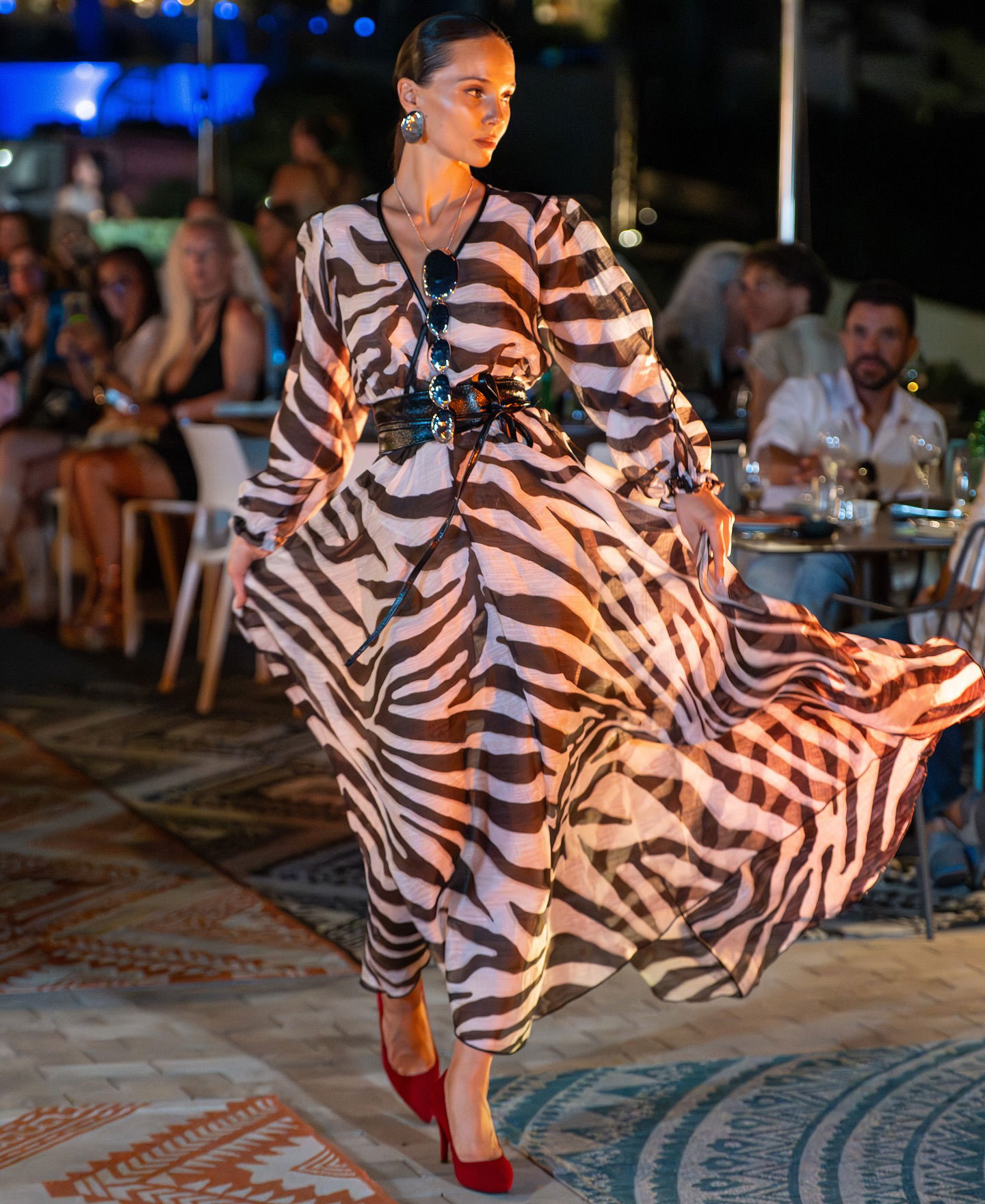
La isla de Ibiza ha sido durante décadas un punto de encuentro para artistas, diseñadores y creativos de todo el mundo.Su mezcla de naturaleza, cultura y libertad ha inspirado numerosas tendencias en la moda internacional.El estilo ibicenco combina:
- espíritu bohemio
- elegancia relajada
- influencia mediterránea
- creatividad artística
Este estilo ha conquistado pasarelas y colecciones en diferentes países, convirtiendo a Ibiza en una referencia mundial dentro de la moda. Rituality Ibiza continúa esta tradición, creando diseños que mantienen viva la esencia de la isla.
Gallery
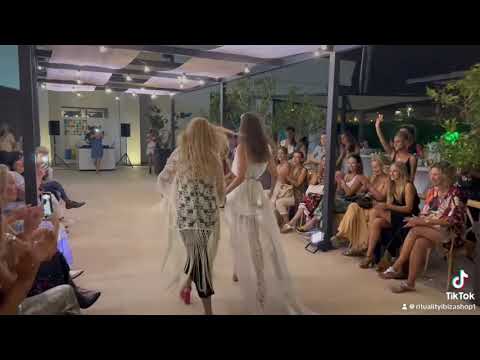
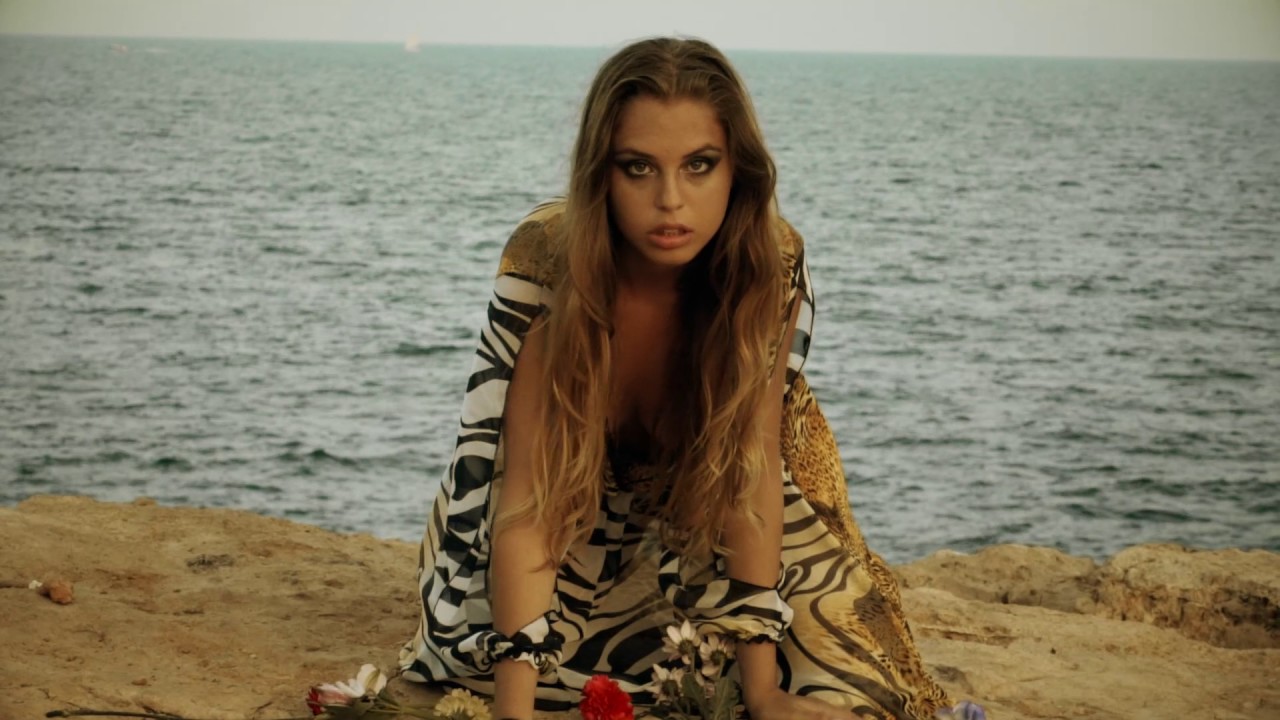



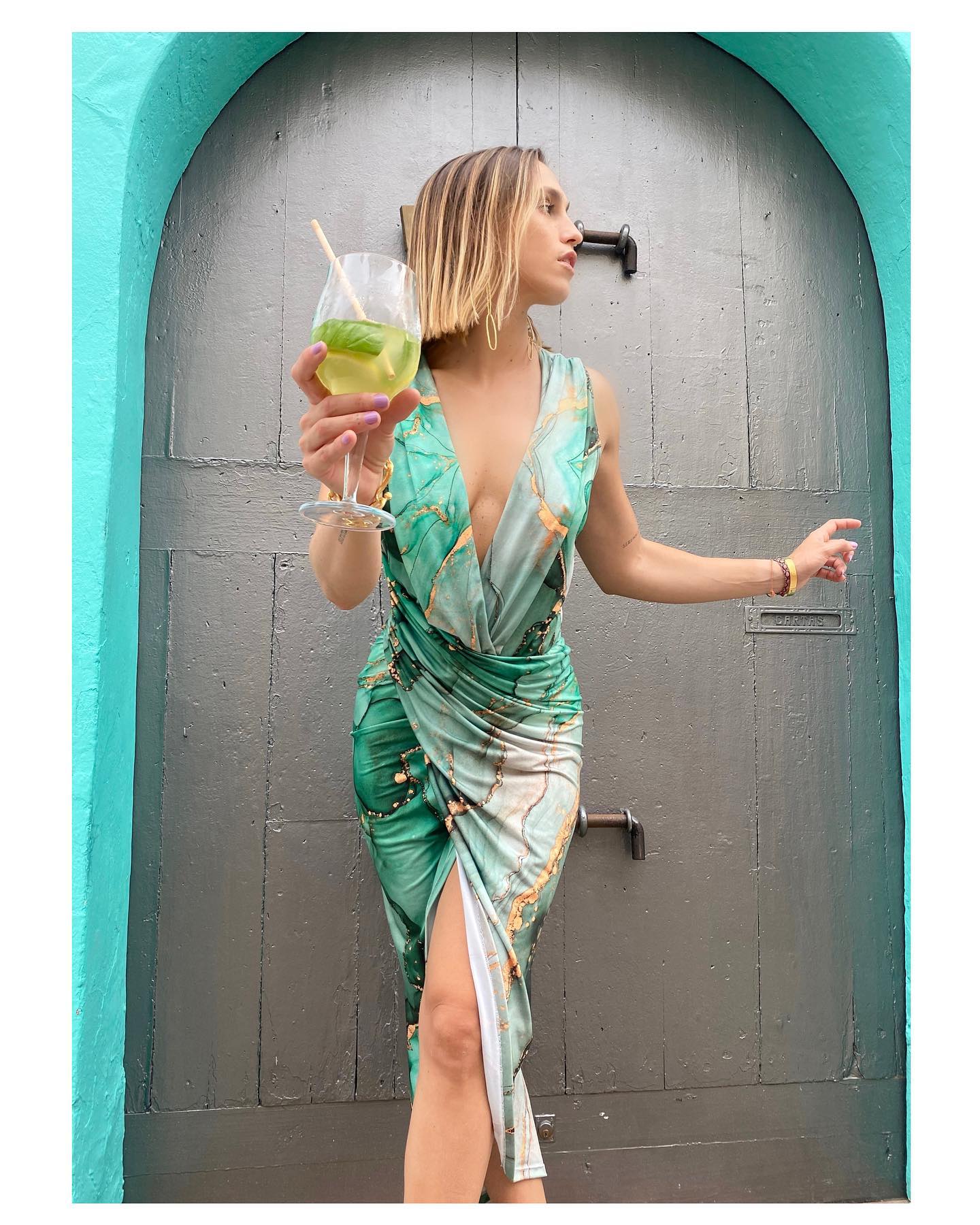
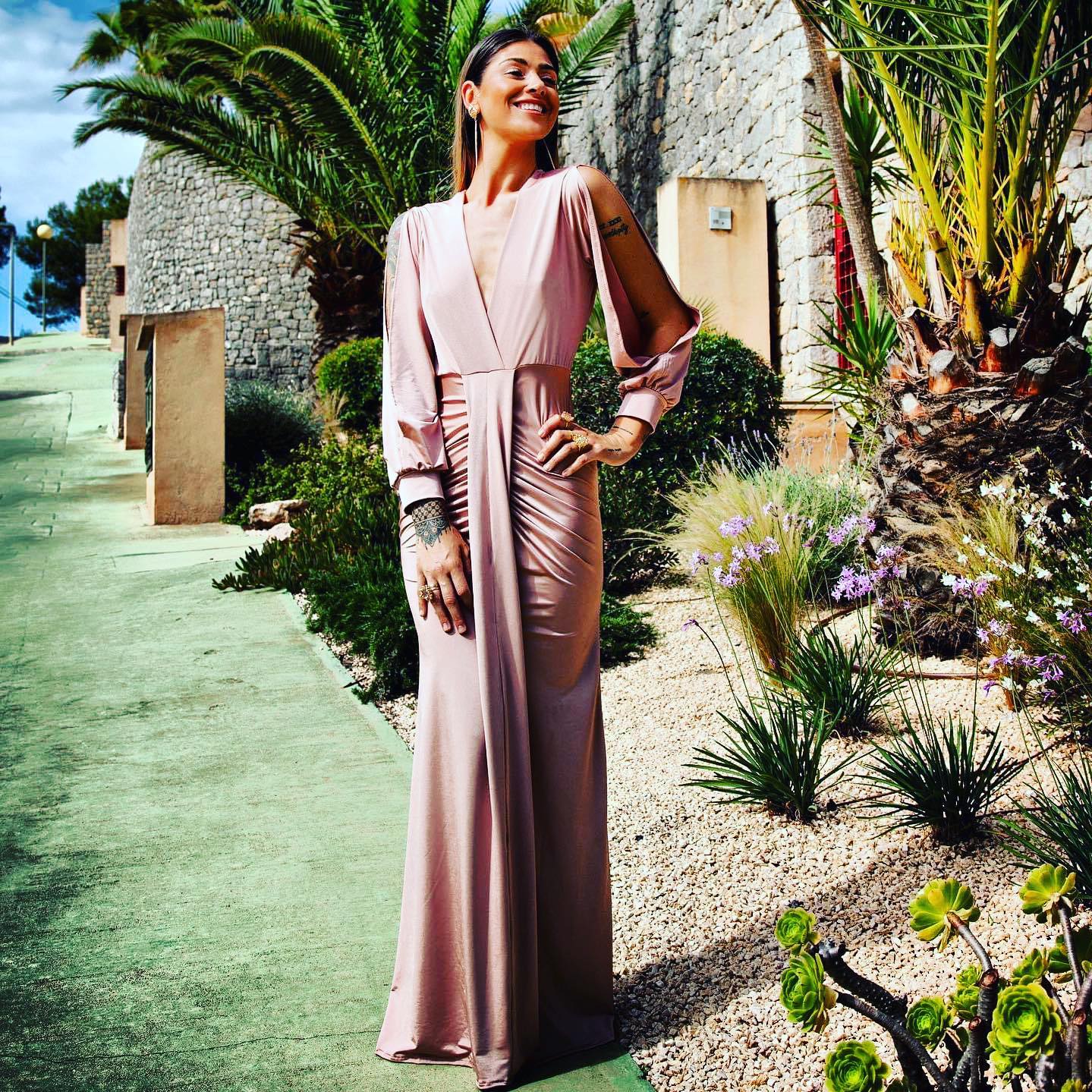
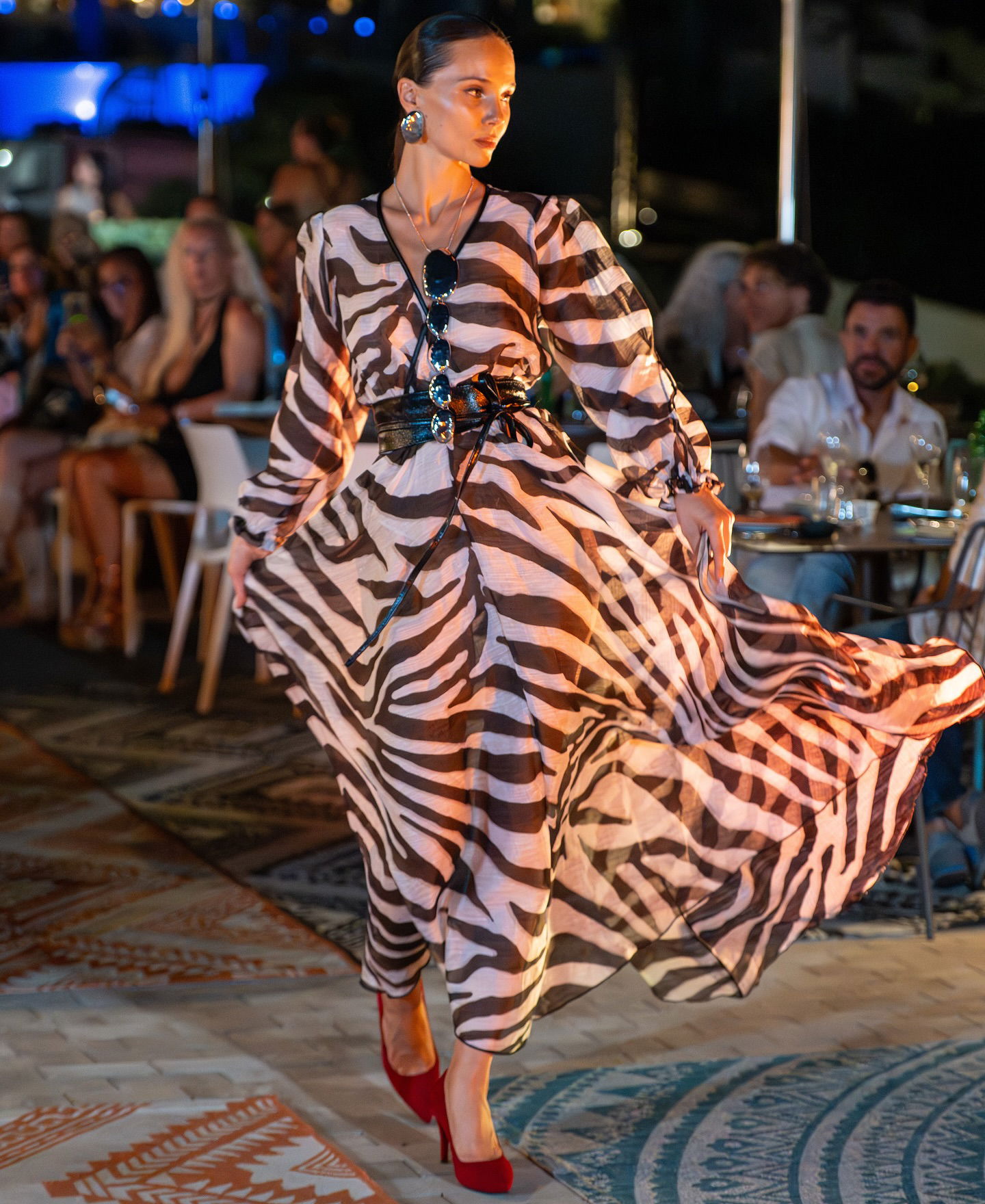
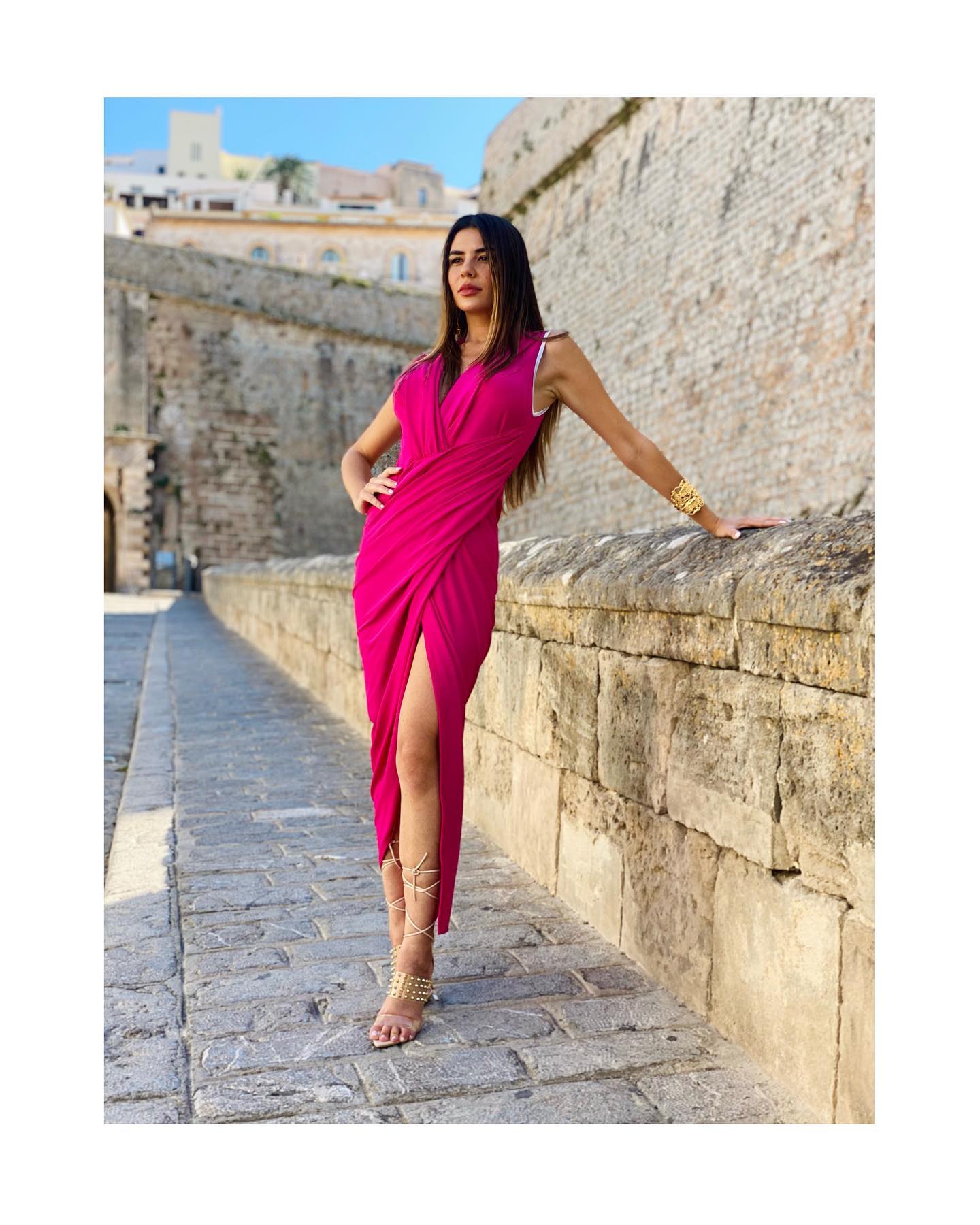
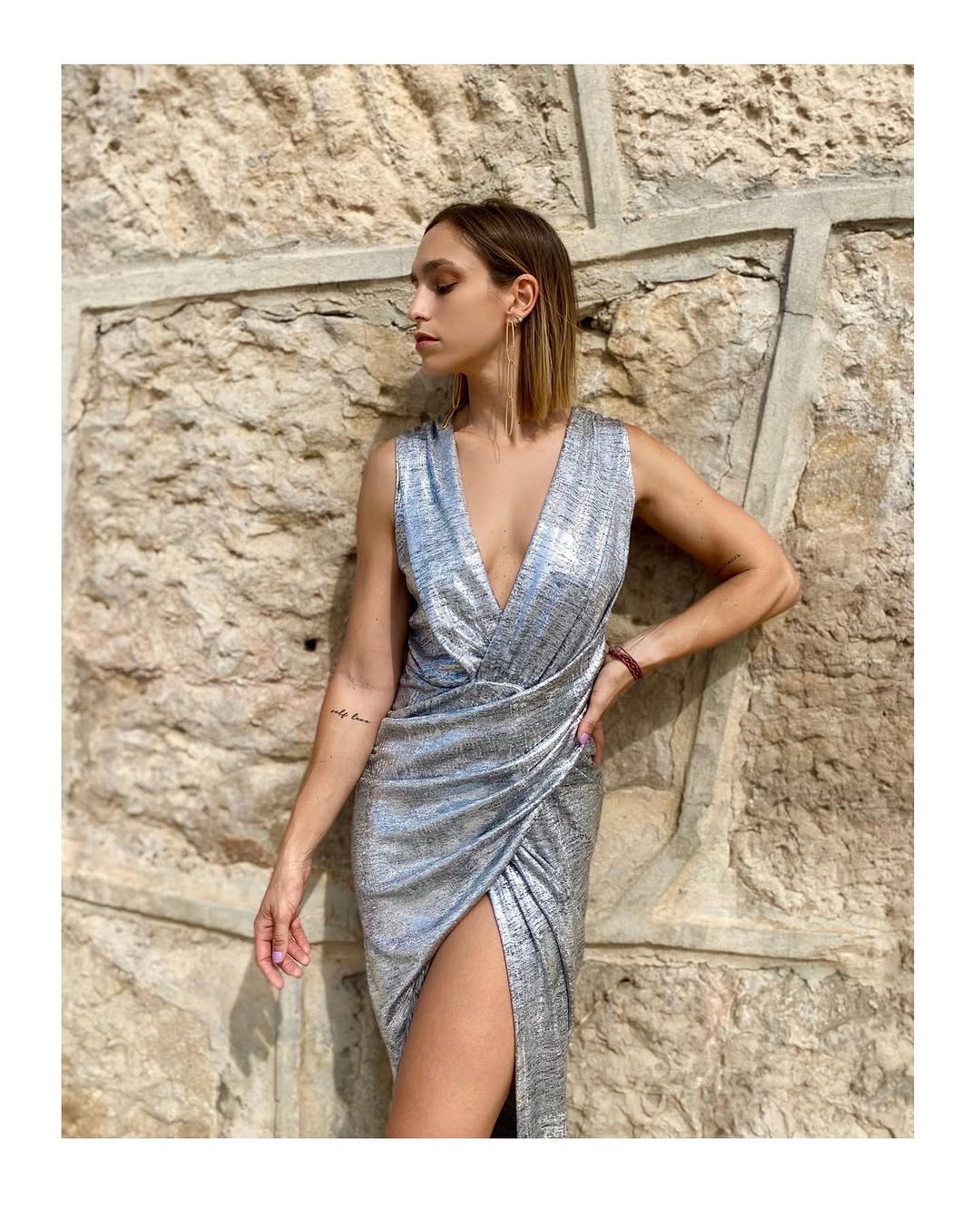
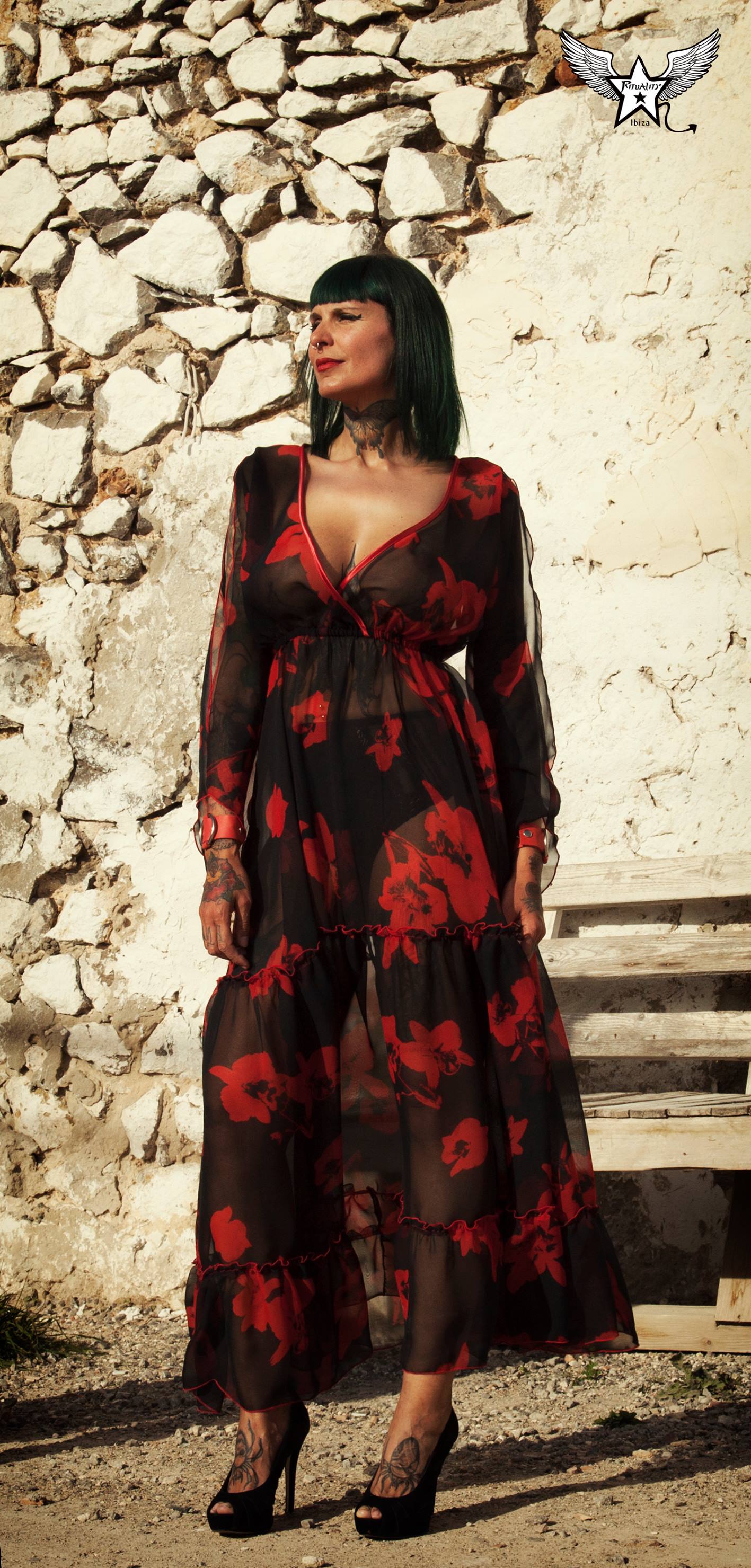
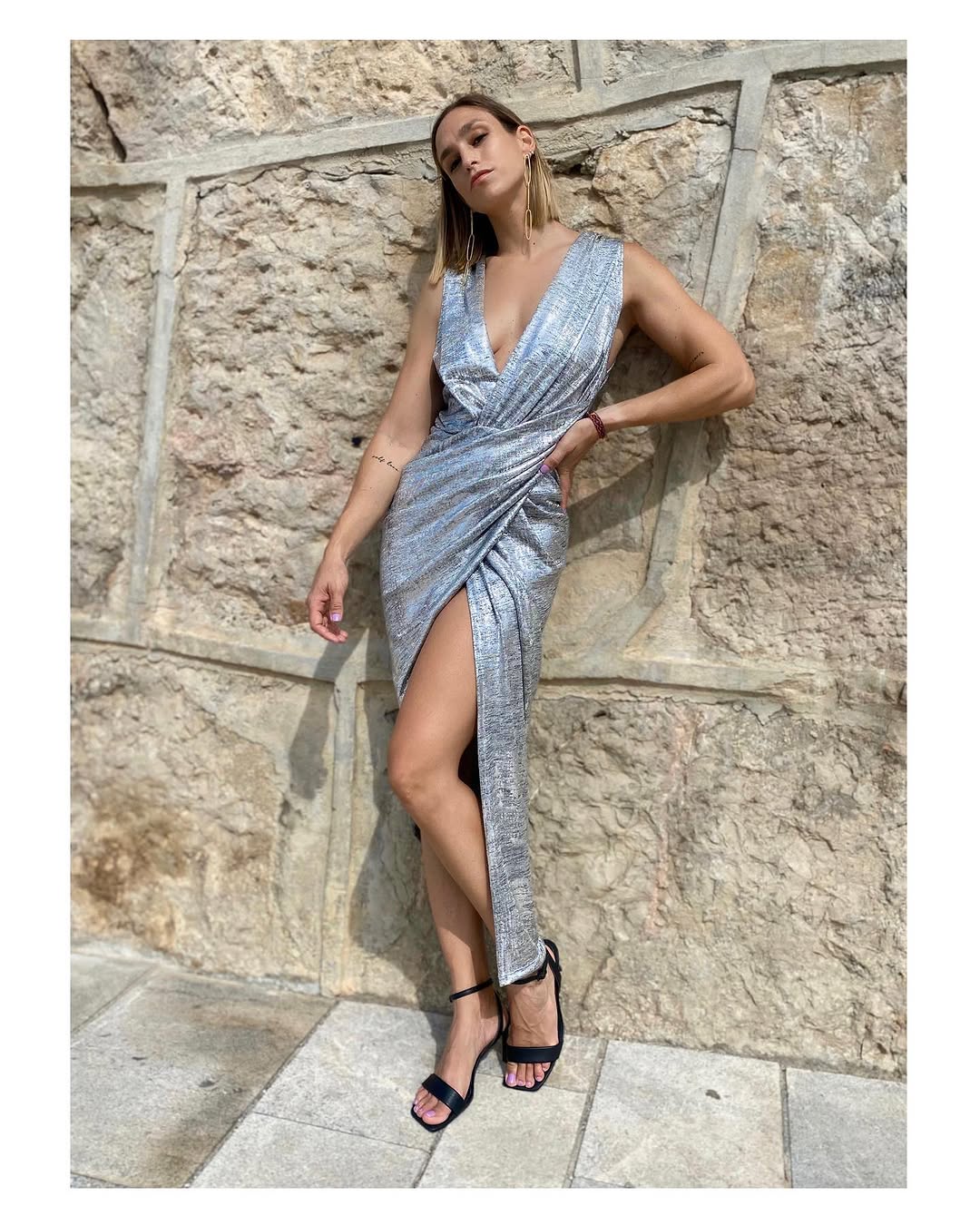
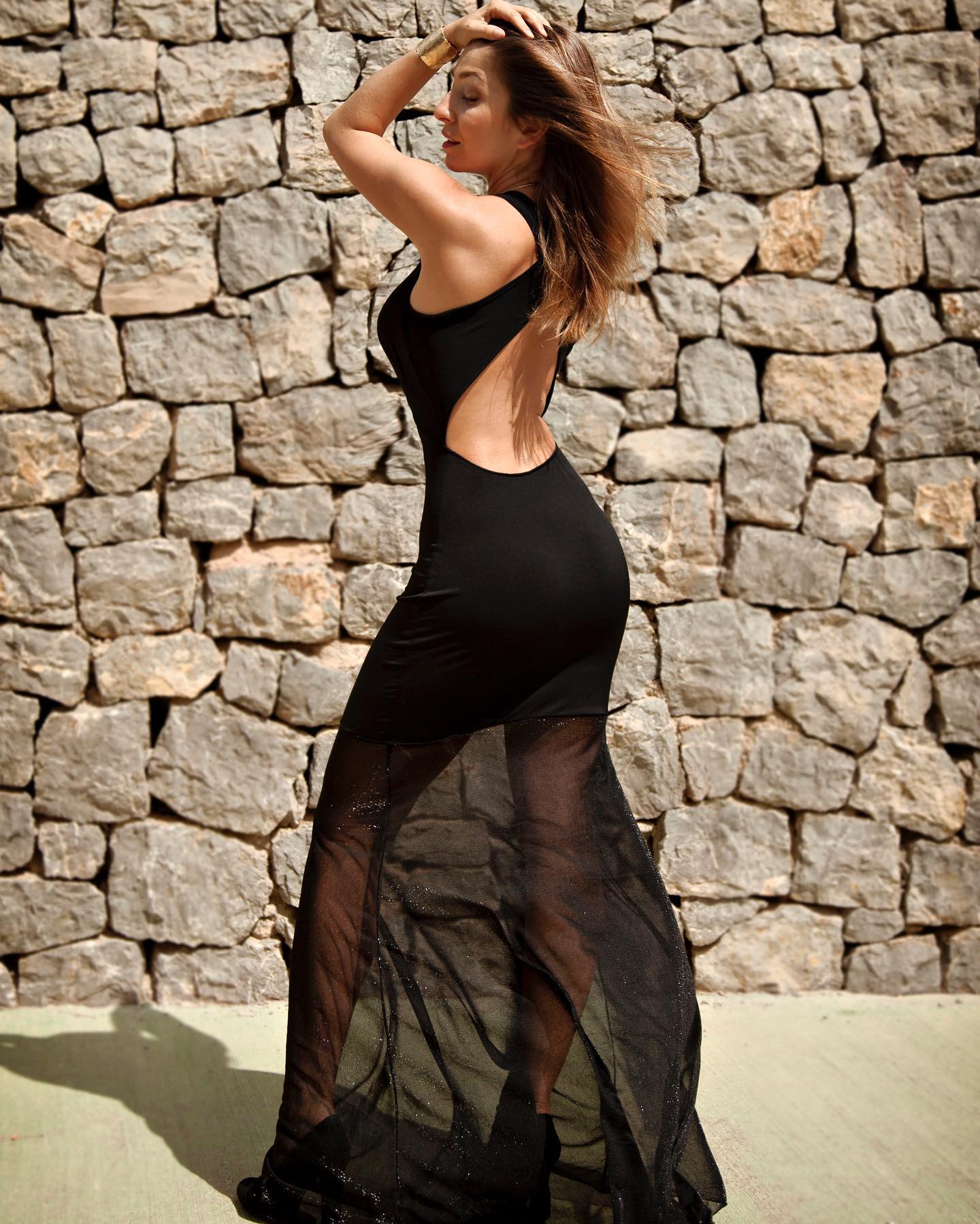
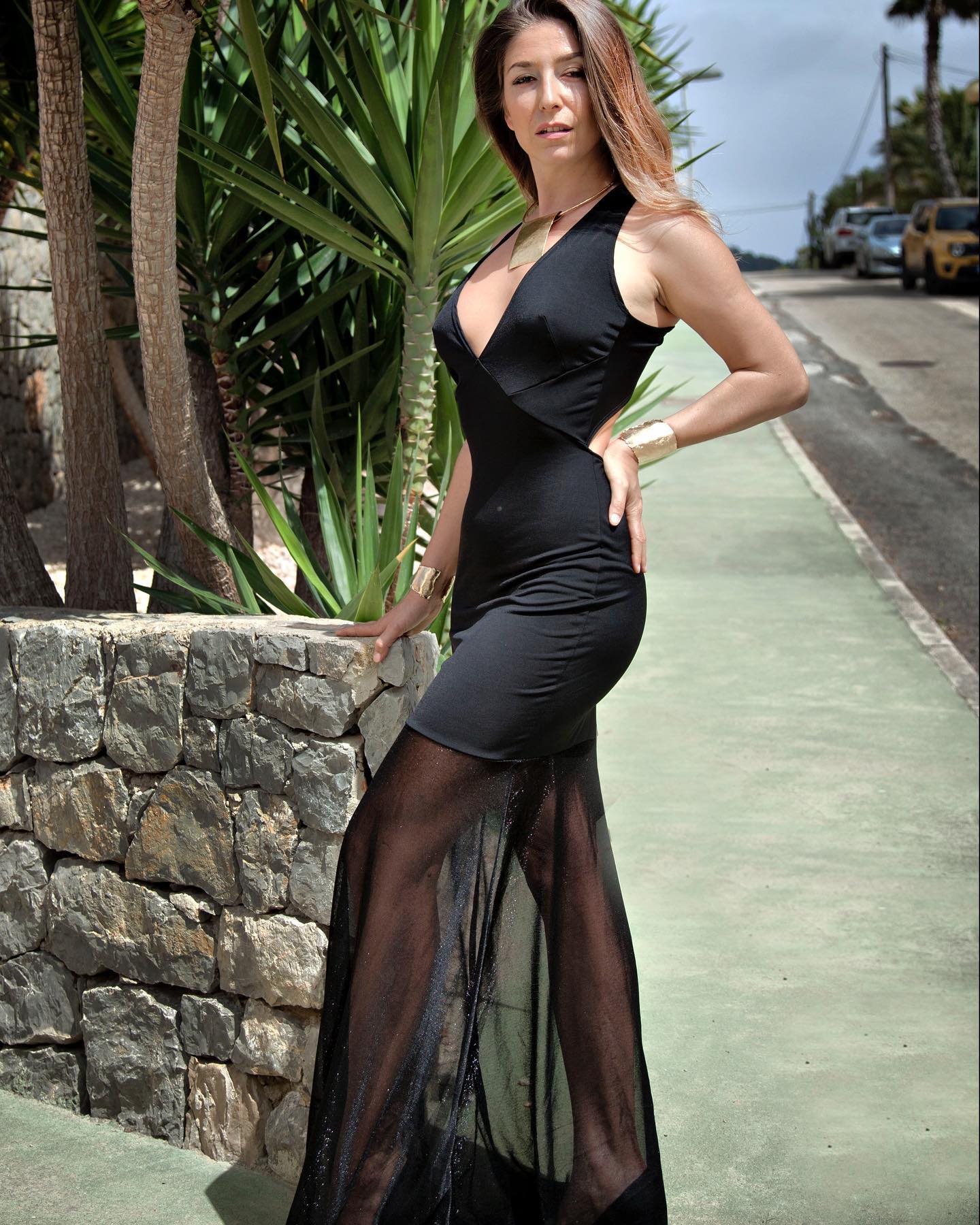
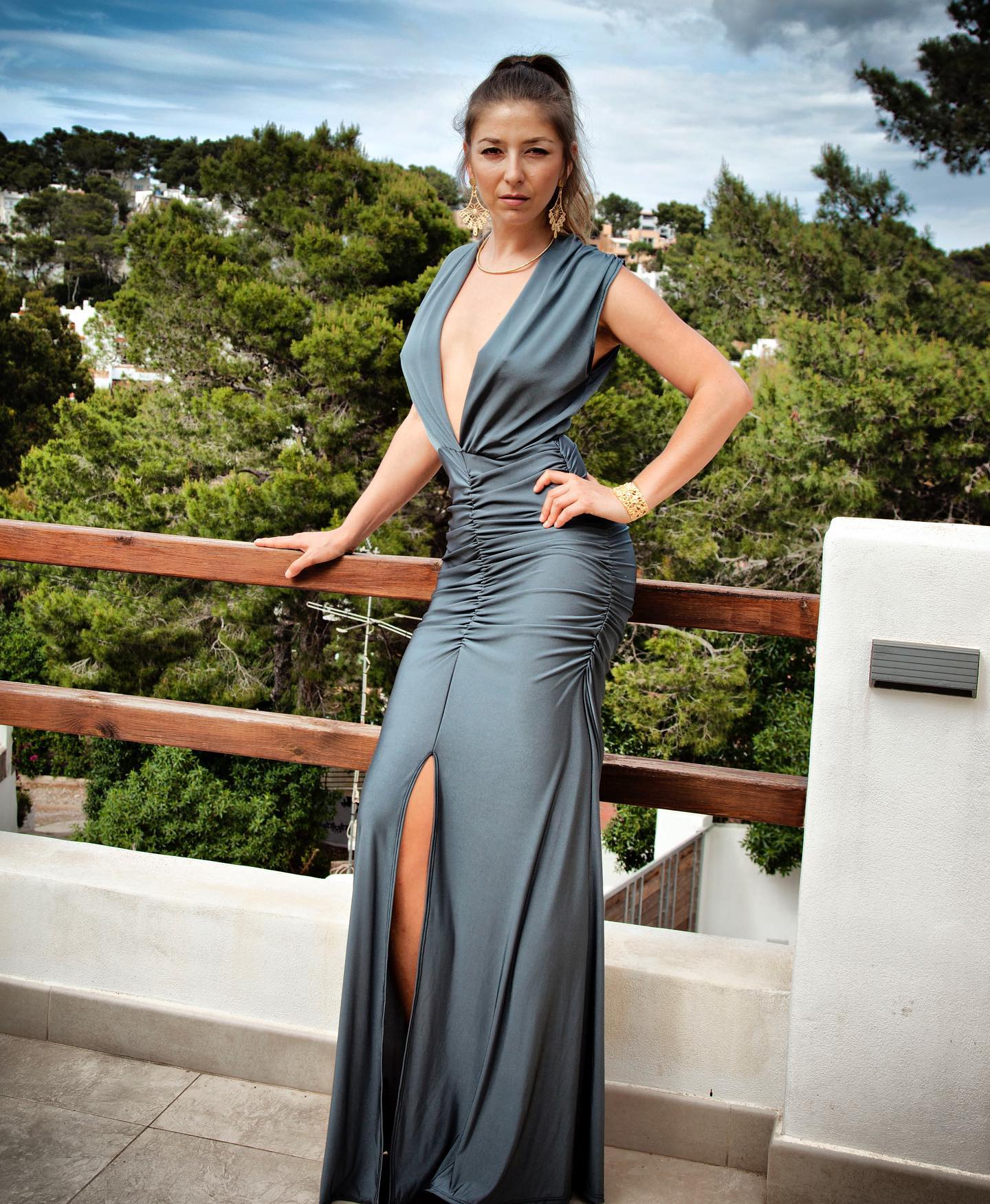
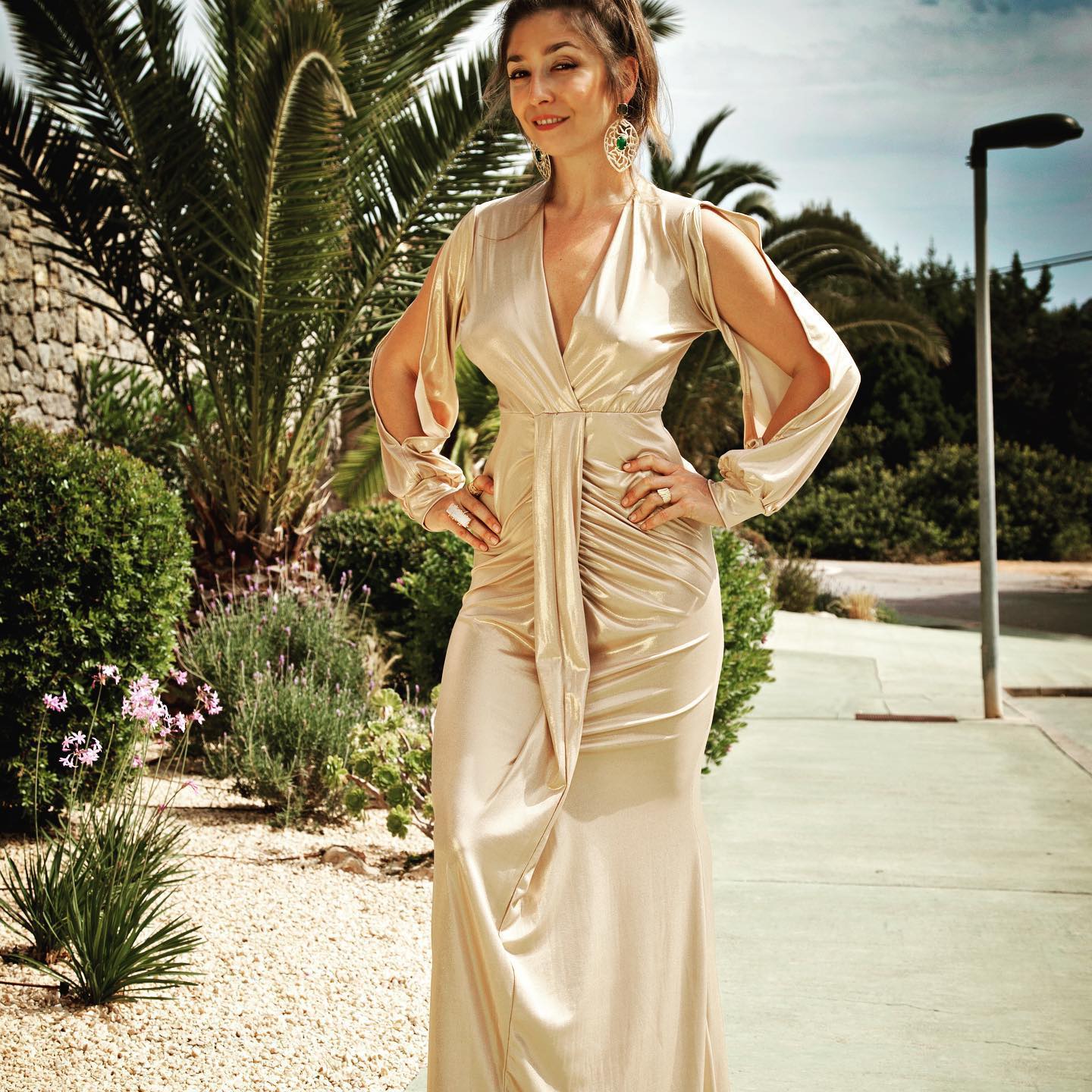
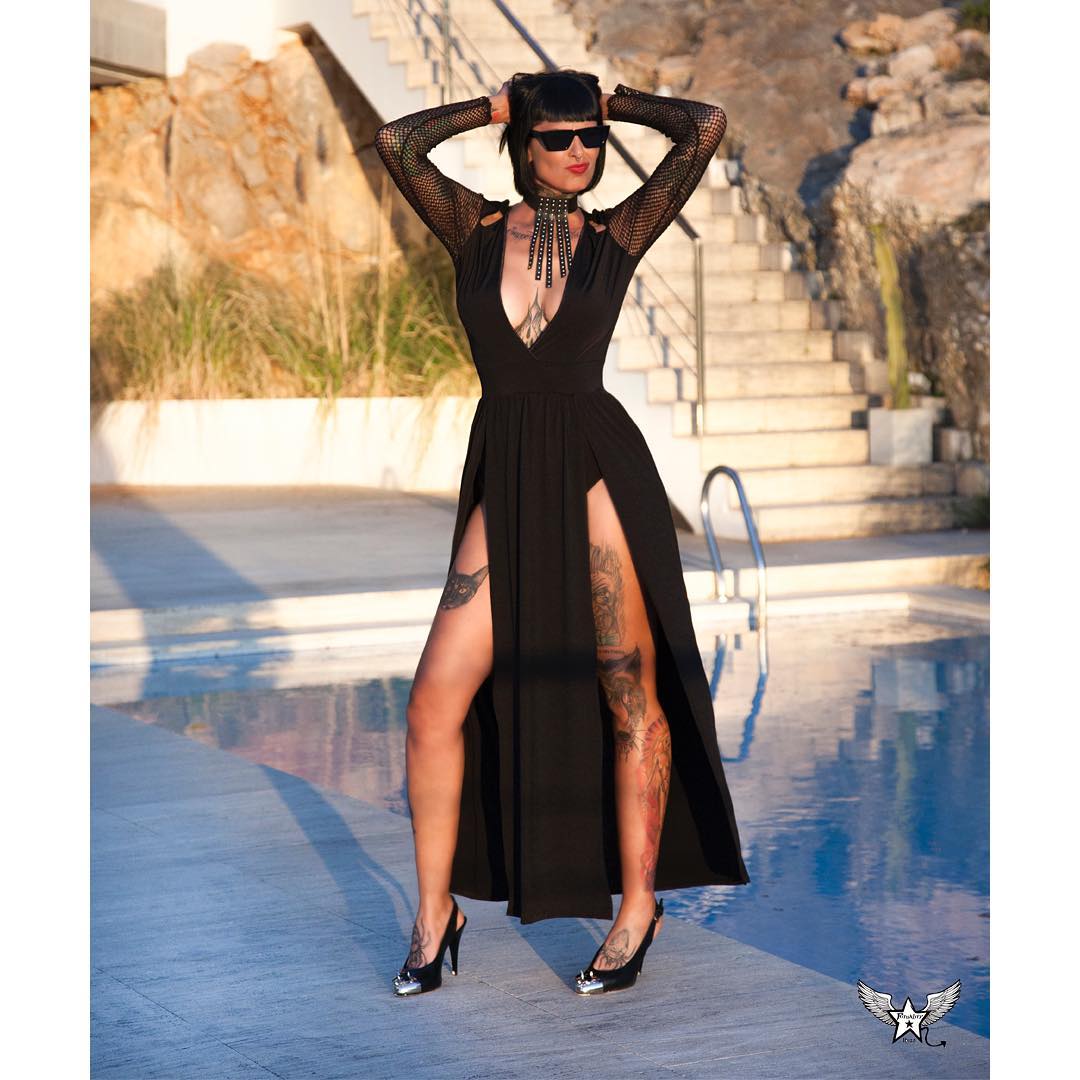
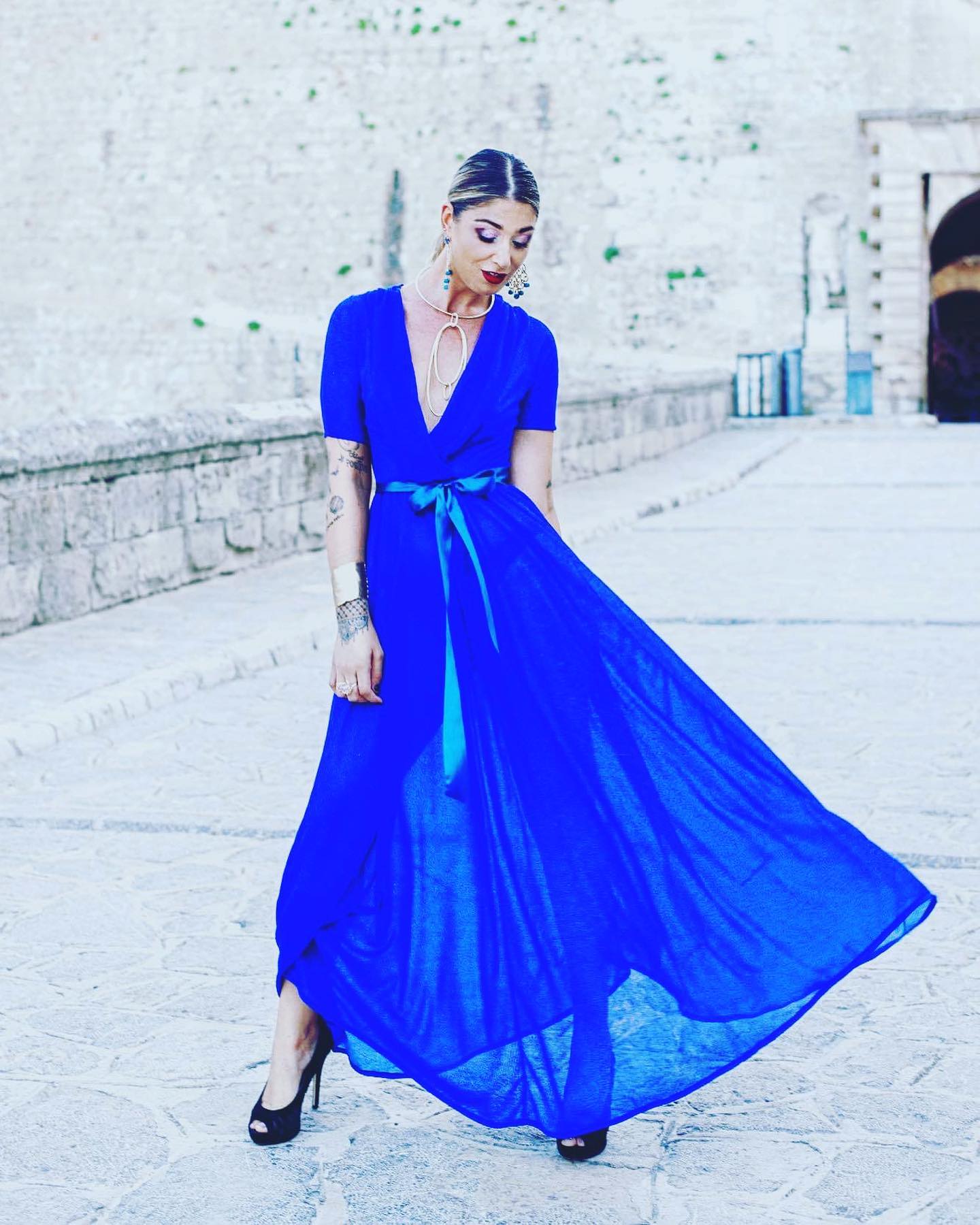

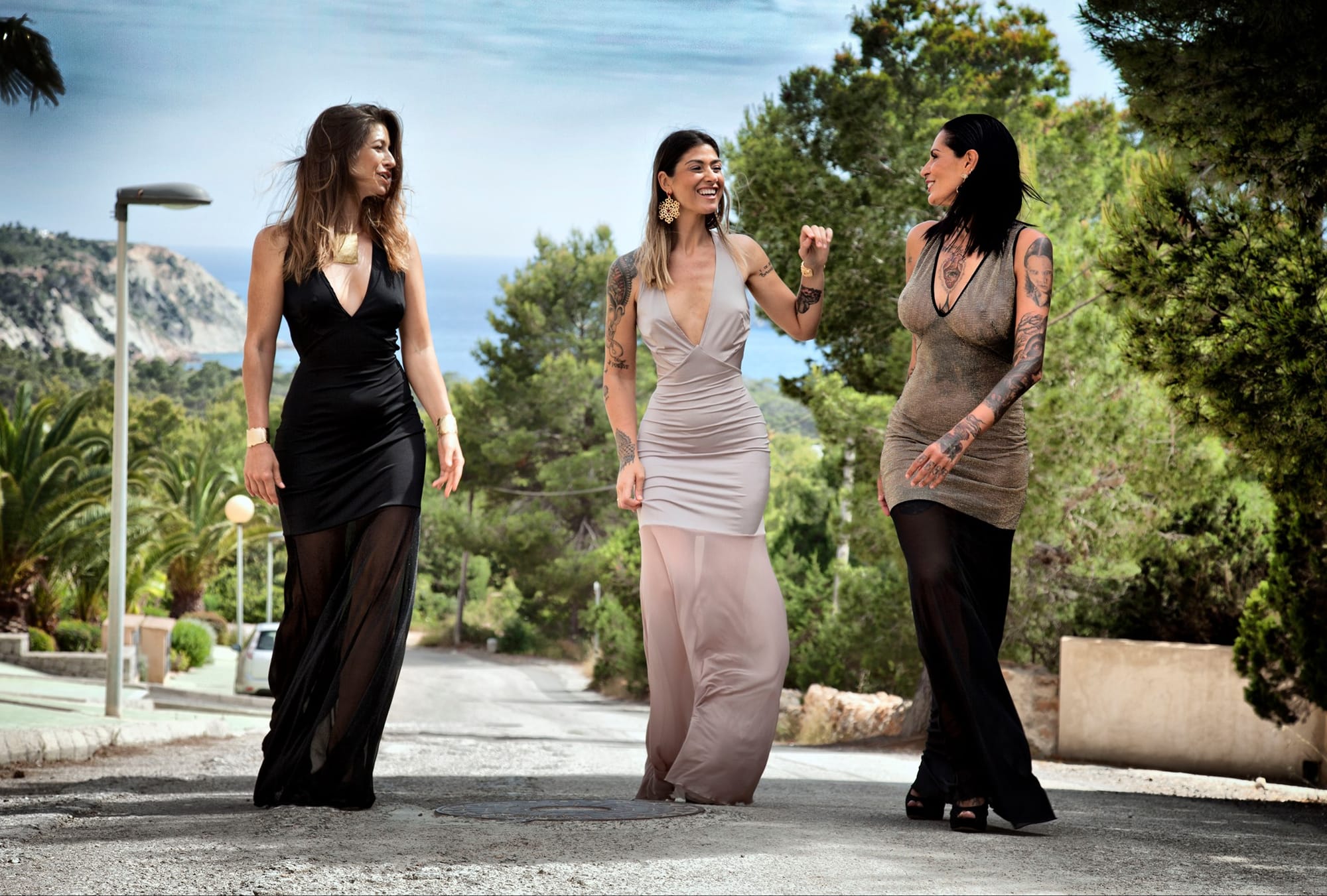
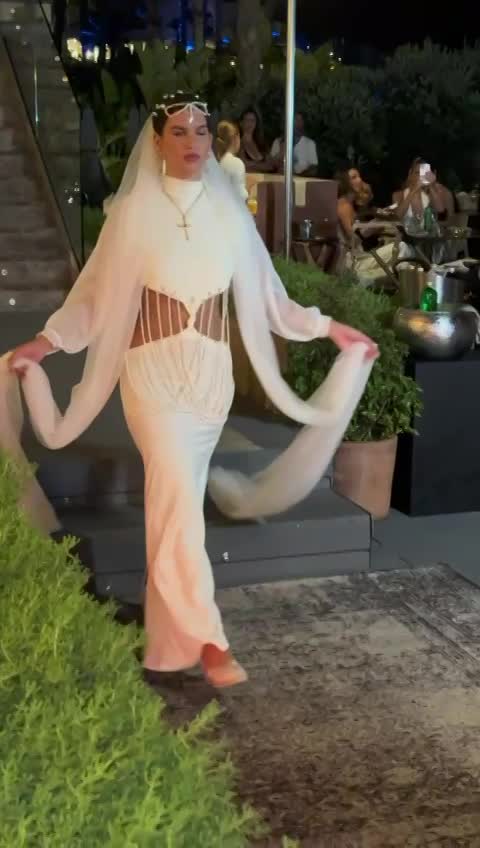
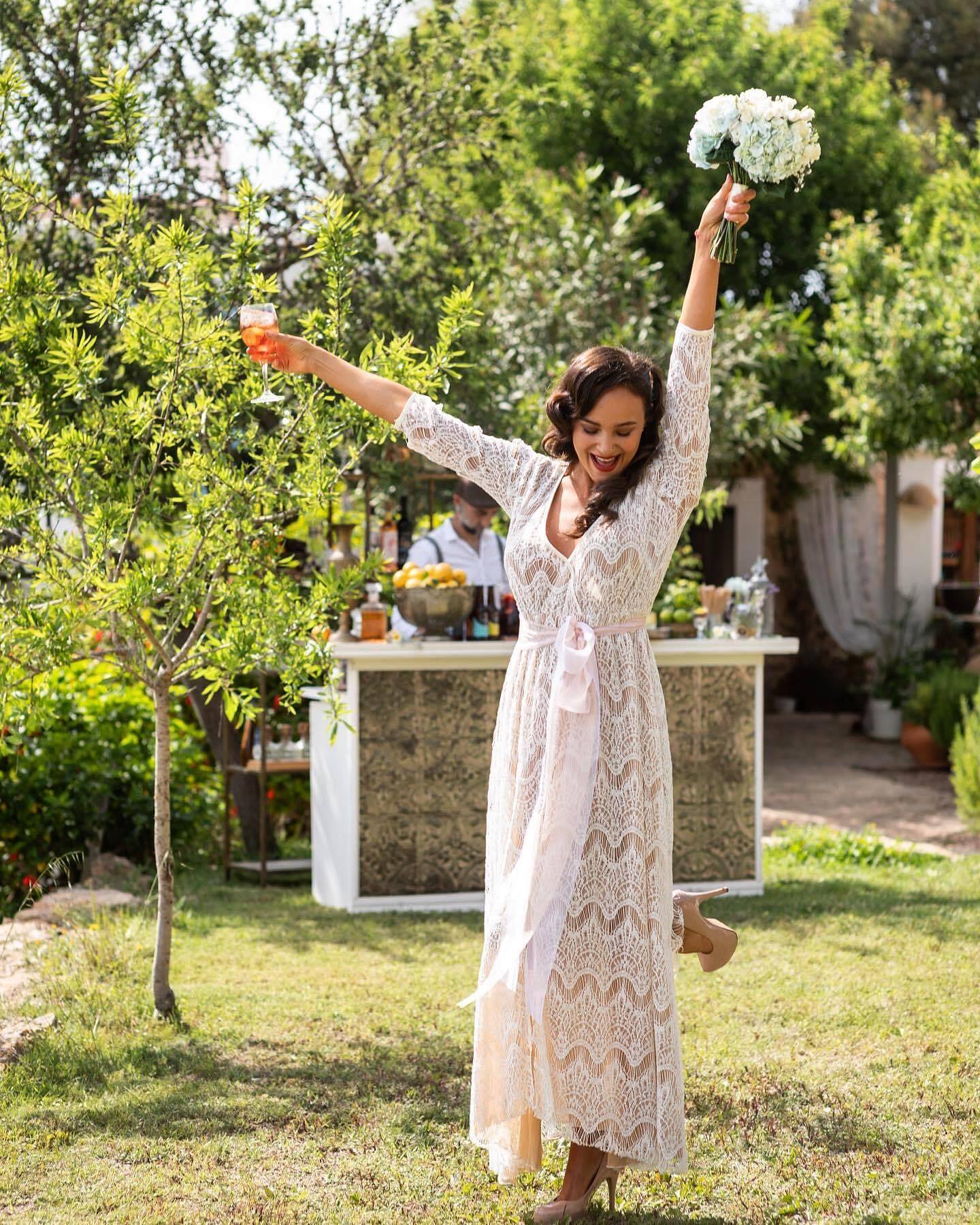
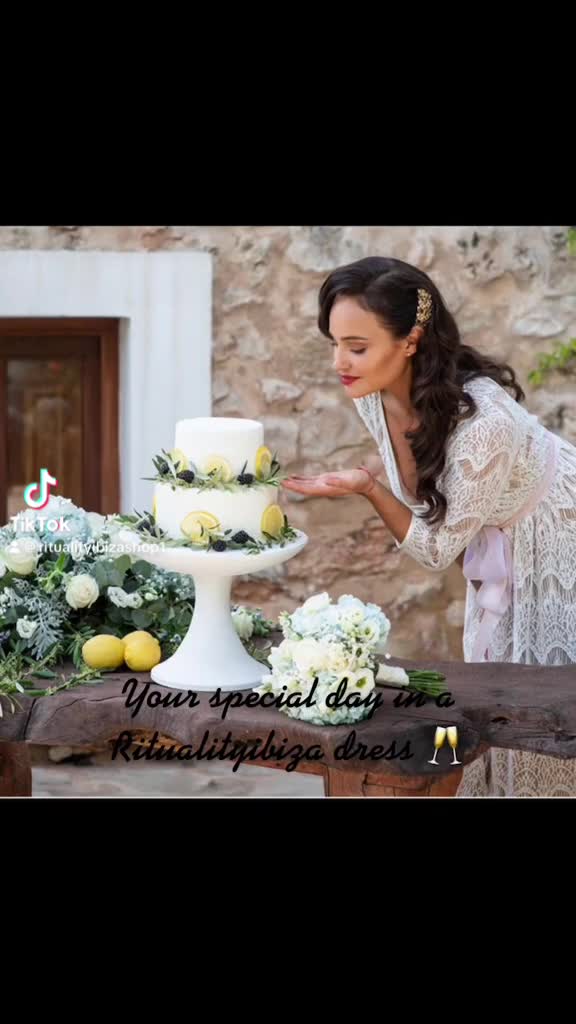
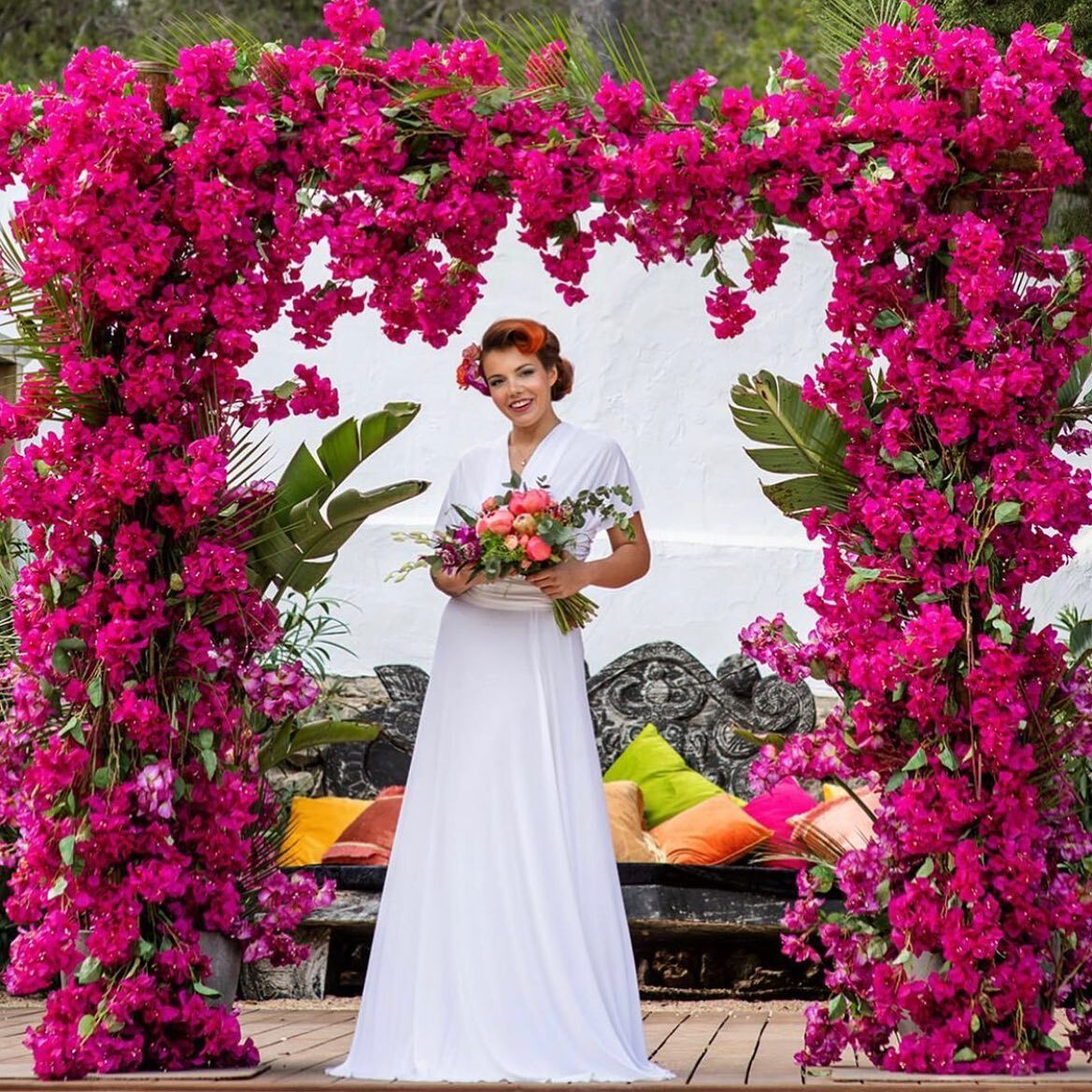
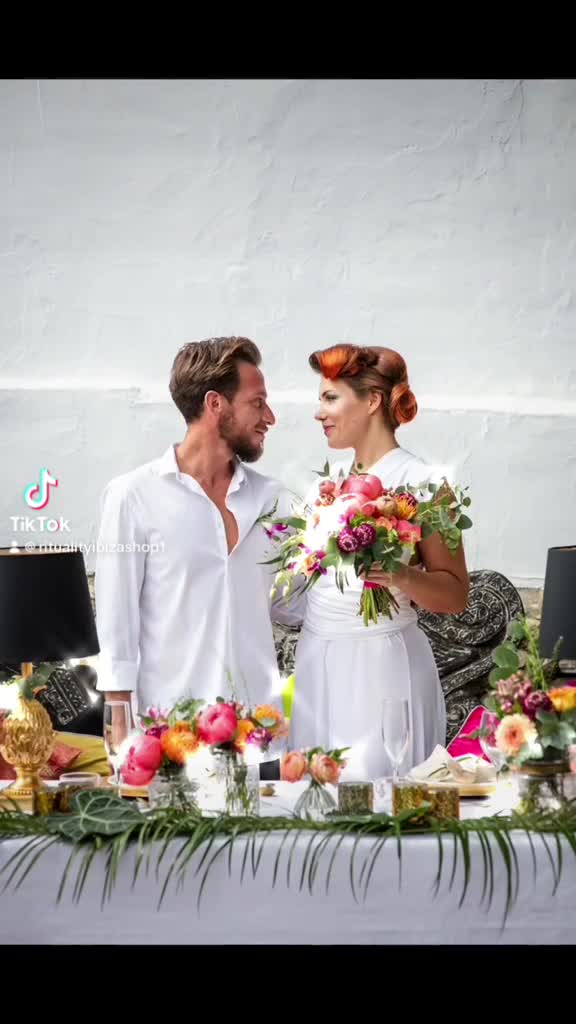
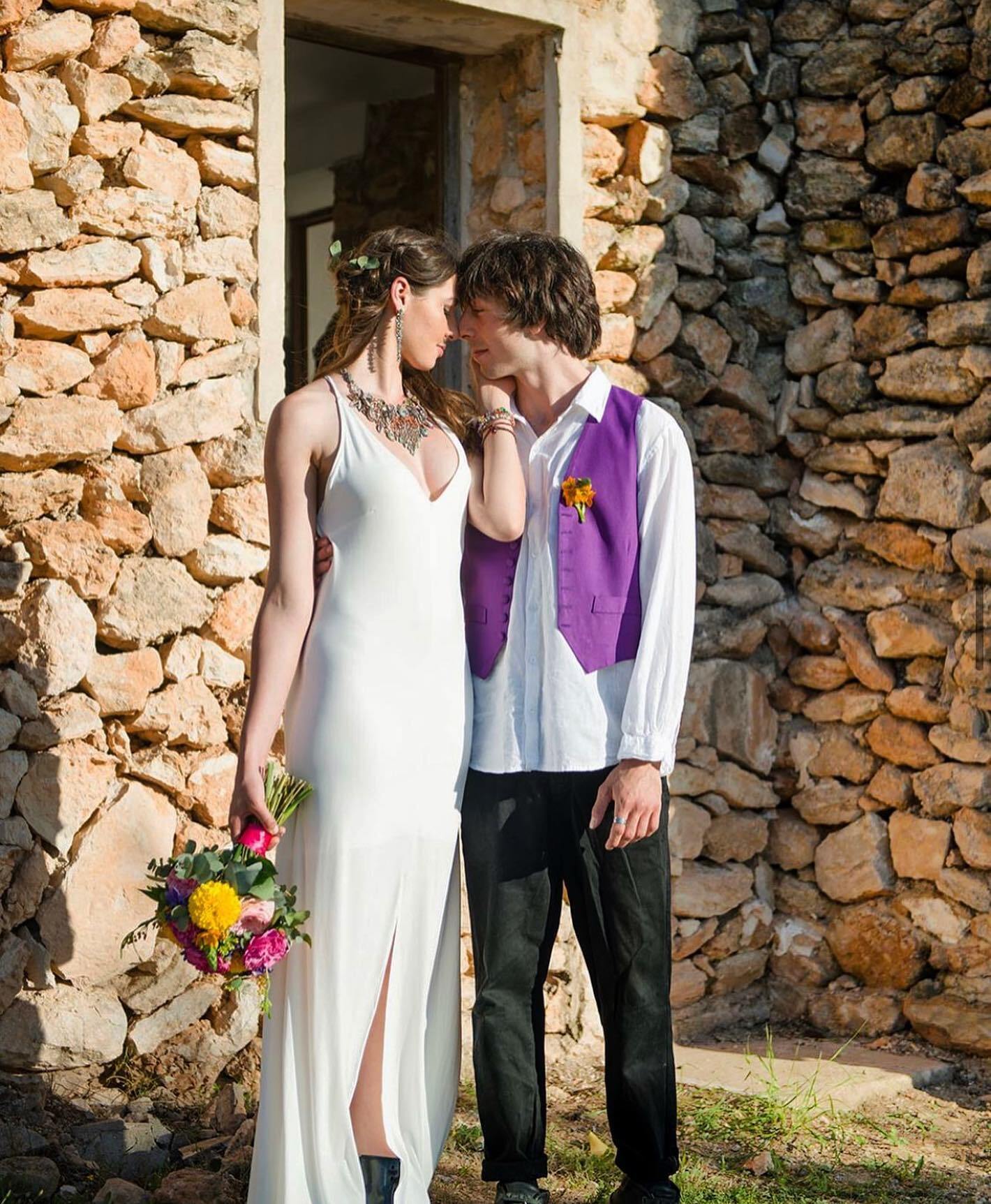
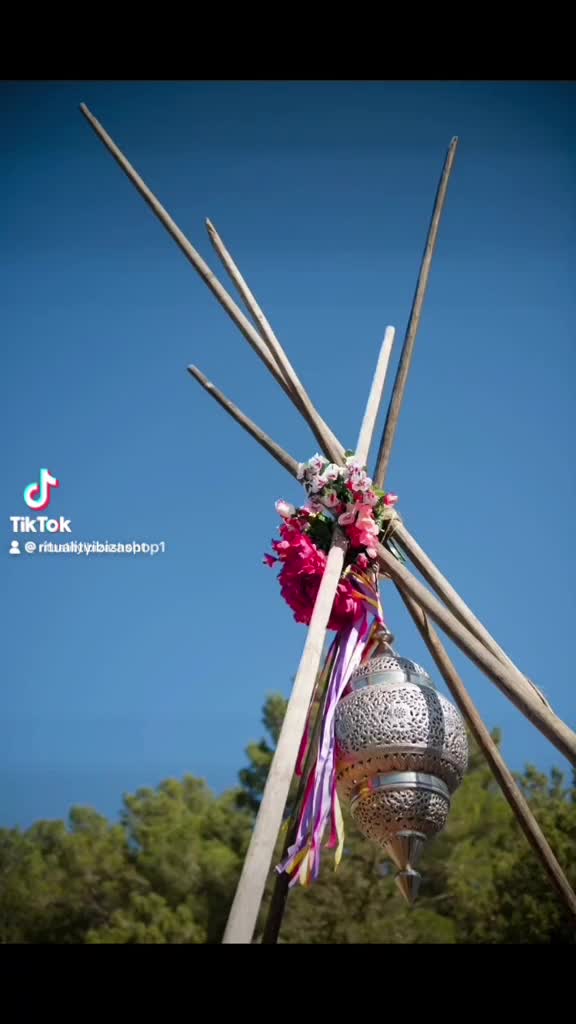
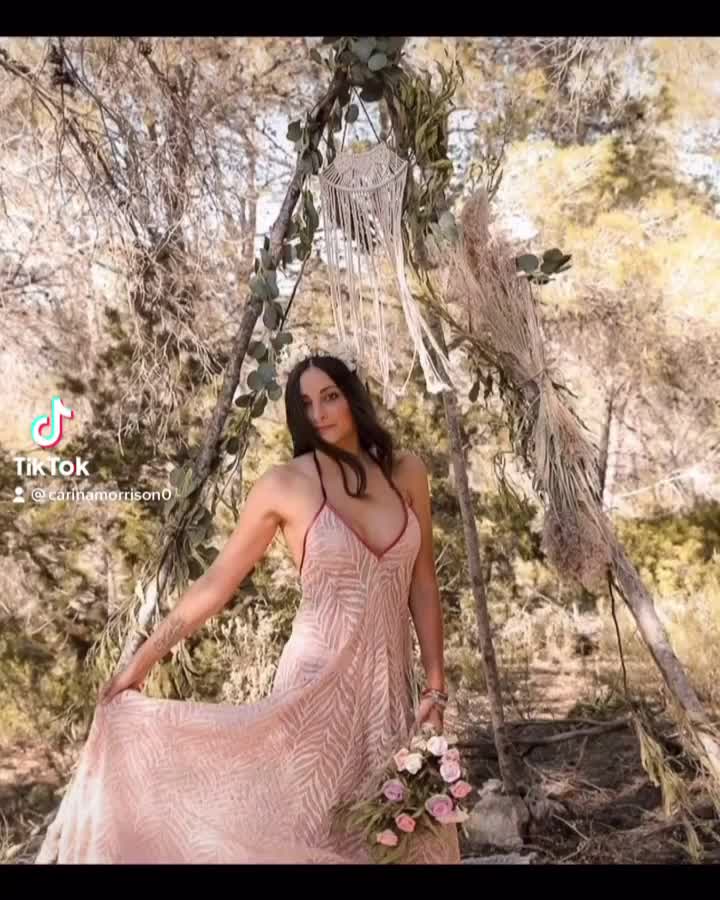
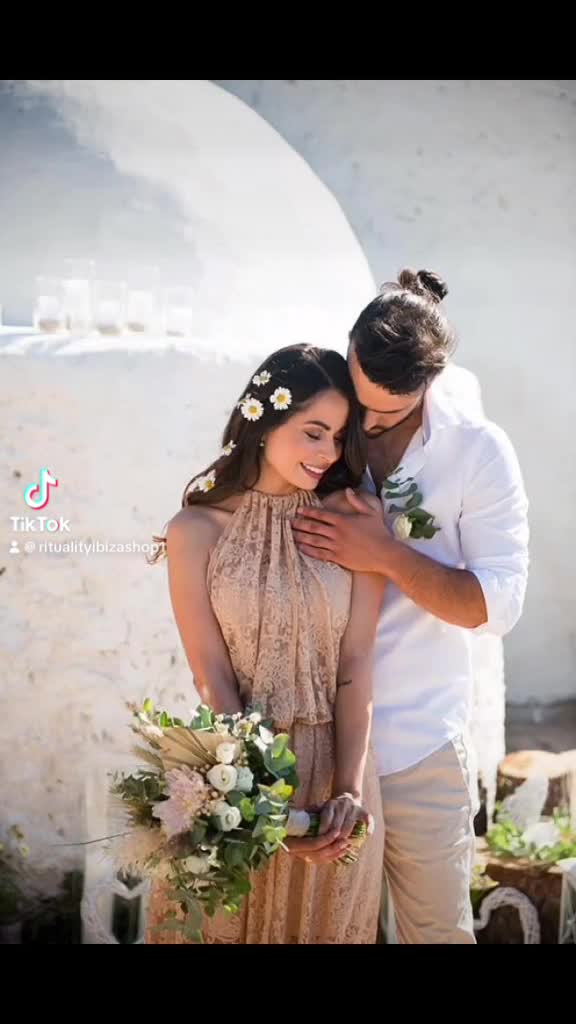
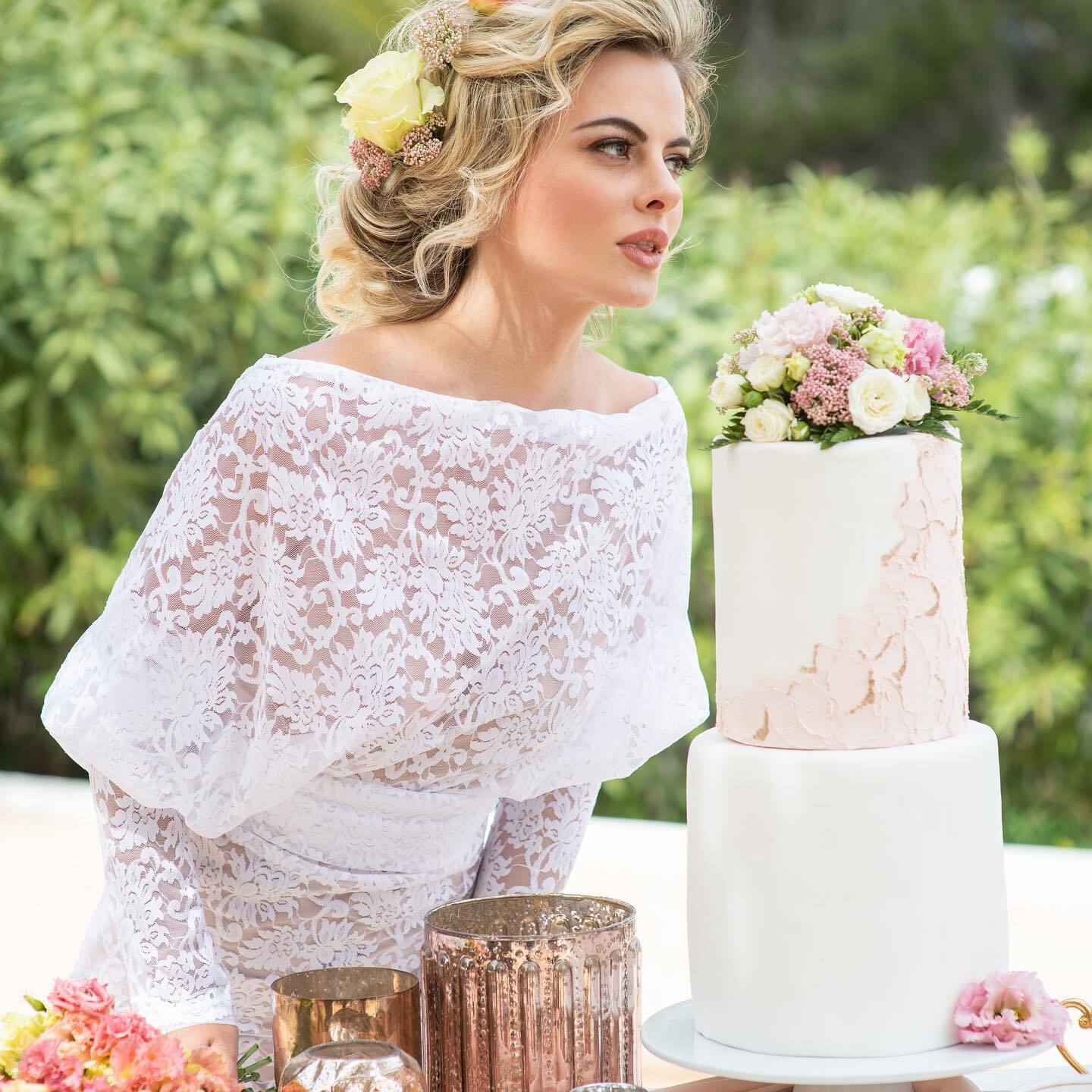
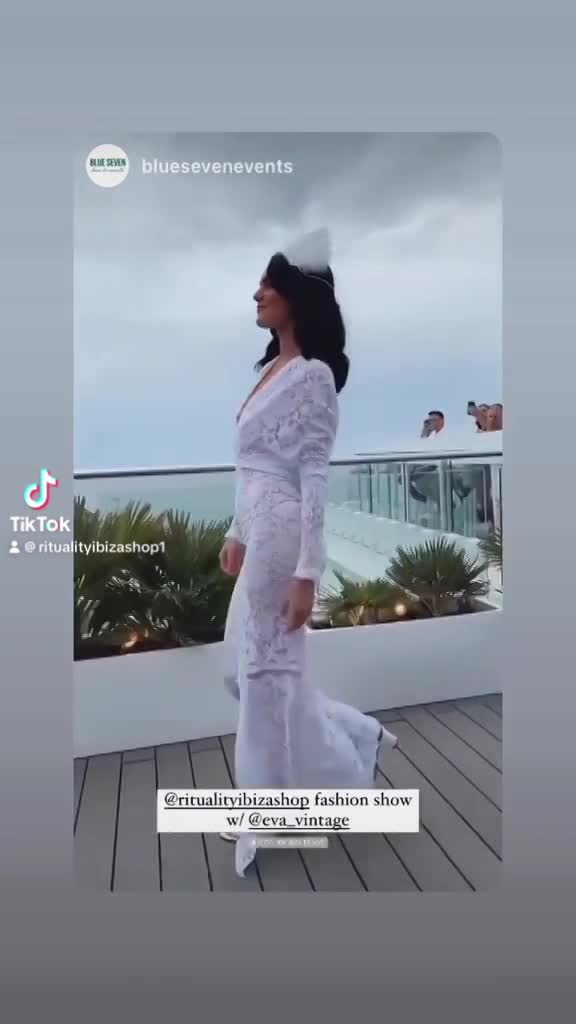
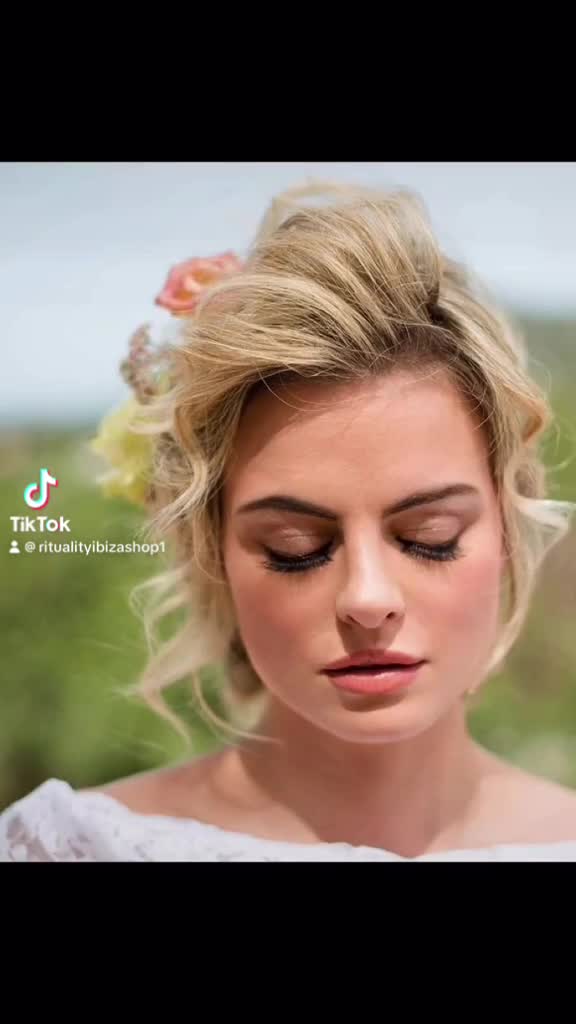
wedding dress

About us
About us
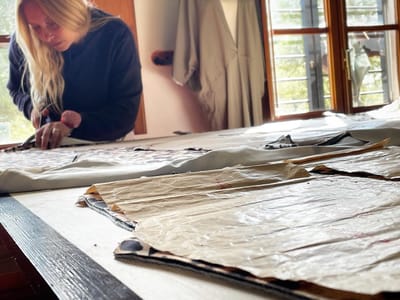
Diseñadora, empresaria, madre, hermana, amiga y, sobre todo, una de esas personas que dejan huella, Carina descubrió su vocación desde niña. Desde temprana edad sintió una conexión profunda con el mundo de la moda, siguiendo de cerca las tendencias y dejándose inspirar por los grandes íconos de estilo desde los años 40 hasta hoy, así como por la energía rebelde del Rock & Roll.
En 2013, su sueño se materializó con la apertura de la primera tienda física de Rituality en el corazón del puerto de Ibiza, en el emblemático barrio de La Marina. Un espacio lleno de color, fuerza y autenticidad, creado para expresar su visión y compartir su esencia con el mundo.
En Rituality creemos en la libertad de expresión y en el poder del amor propio. Celebramos la belleza en todas sus formas y tamaños, y trabajamos para que cada persona que entre en nuestras tiendas se sienta cómoda, empoderada y libre de ser quien realmente es.
Queremos que vivas una experiencia única, y que al salir, estés lista para…¡comerte el mundo!
Contact
- Carrer de Josep Verdera, 2, Ibiza, Balearic Islands, Spain
- Corner Calle de la Virgen
- +34-619607150
- ritualityibiza@gmail.com
- 11:00 AM / 00:00 PM